Airport Liquid Limits Explained: The 100 mL Rule & 1-Liter Bag Guide
You are at security, your bag is on the belt, and the officer holds up your 200 mL bottle of shampoo. It is half empty — surely that counts? It does not. The airport liquid rule is about the size of the container, not how much is left in it, and that one misunderstanding causes more delays at security than almost any other.
This guide explains the 100 mL rule exactly as it works at most airports: what counts as a liquid, what the 1-liter bag is, what the exceptions are, and how to pack so you walk through security without repacking at the tray.
The Rule in One Paragraph
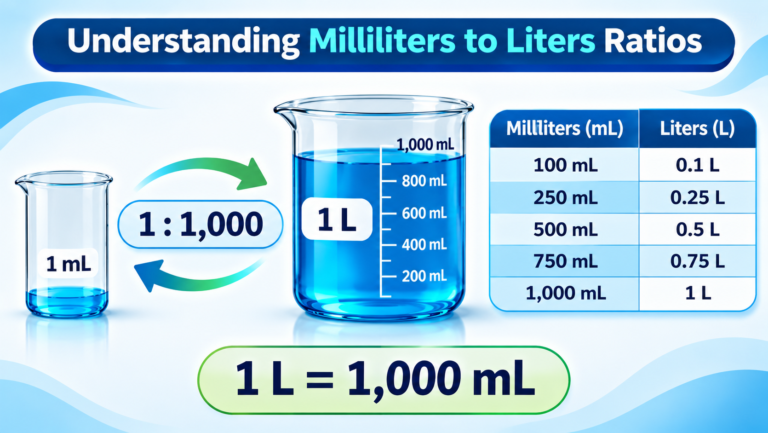
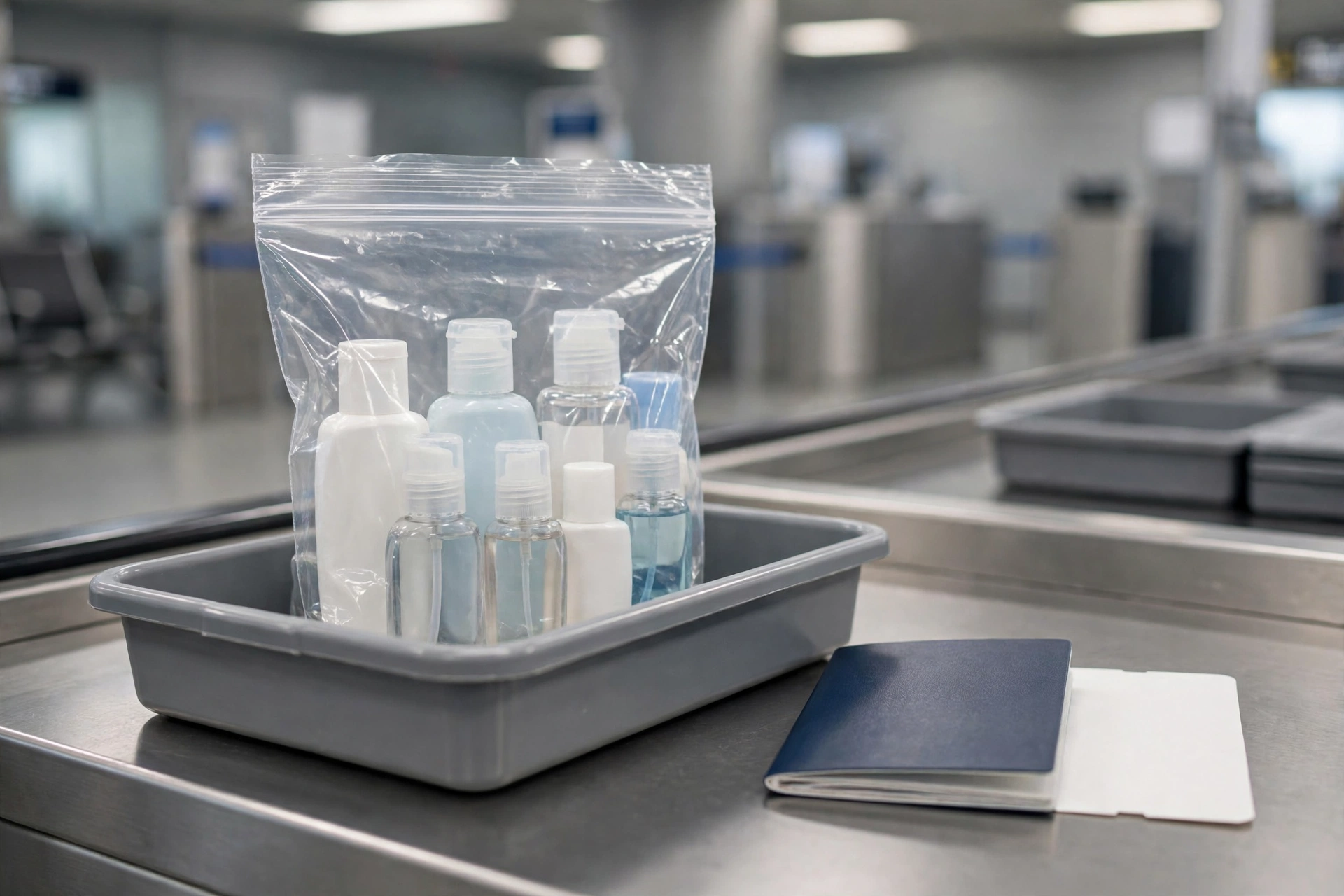
In hand luggage, each liquid, gel, or aerosol must be in a container of 100 mL or less. All of those containers must fit inside a single transparent, resealable bag with a capacity of no more than 1 liter — roughly 20 cm by 20 cm. You may carry only one such bag per person, and you must take it out of your bag and place it in a tray at security.
That is the whole rule. Everything else is detail about what counts, what does not, and where the exceptions apply.
Why 100 mL, and Why the Container Size Matters
The rule dates to 2006, when a plot involving liquid explosives was uncovered in the UK. Liquids in small containers are harder to misuse in the quantities needed, and limiting the total to 1 liter per passenger limits what any one person can carry through. Whether you agree with the logic, the rule is enforced the same way almost everywhere: the limit applies to the container’s capacity, printed on the label.
A 200 mL bottle with 50 mL left in it is still a 200 mL container, and it will be confiscated. A 100 mL bottle that is completely full is fine. A 150 mL bottle is not fine even if it is nearly empty. If you want to bring a favorite shampoo or cream, decant it into a 100 mL travel bottle before you leave home — never bring the full-size bottle and hope.
What Counts as a Liquid?
More things count than most people expect. Security treats anything that can be poured, squeezed, spread, or sprayed as a liquid, gel, or aerosol: water, juice, and alcohol; shampoo, conditioner, and shower gel; toothpaste, mouthwash, and contact lens solution; creams, lotions, moisturizers, and sunscreen; liquid foundation, mascara, and lip gloss; deodorant sprays and roll-ons; perfume; hair gel and mousse; and jams, honey, sauces, soups, yogurt, and soft cheese. Peanut butter and other spreads count too — a jar of peanut butter is a paste, and security treats it as a liquid.
The 1-Liter Bag: What Fits and How to Pack It
A 1-liter bag is about 20 cm by 20 cm, roughly the size of a sandwich bag or a small freezer bag. The bag must be transparent and resealable — a zip-lock bag works, and most airports sell approved bags at or before security if you forget.
How much actually fits? A 1-liter bag holds about five to seven 100 mL bottles, depending on their shape. Flat bottles pack better than round ones. Here is a realistic packing list for a short trip:
| Item | Container size |
|---|---|
| Shampoo | 100 mL |
| Conditioner | 100 mL |
| Shower gel | 100 mL |
| Toothpaste | 75 mL |
| Moisturizer / sunscreen | 100 mL |
| Deodorant (roll-on or spray) | 100 mL |
| Perfume | 50 mL |
| Contact lens solution | 100 mL |
That is eight containers, but the smaller ones (toothpaste at 75 mL, perfume at 50 mL) leave room. If you need more, use solid alternatives: a solid shampoo bar, solid deodorant, and a solid soap replace three bottles at once and do not need to go in the bag at all.
Pack the bag at home, not at the airport. Put it at the top of your hand luggage so you can lift it out in one movement at security. If you have to open your bag and dig for it while a queue waits behind you, you will hold everyone up — and you are more likely to forget something.
What About Water and Drinks?
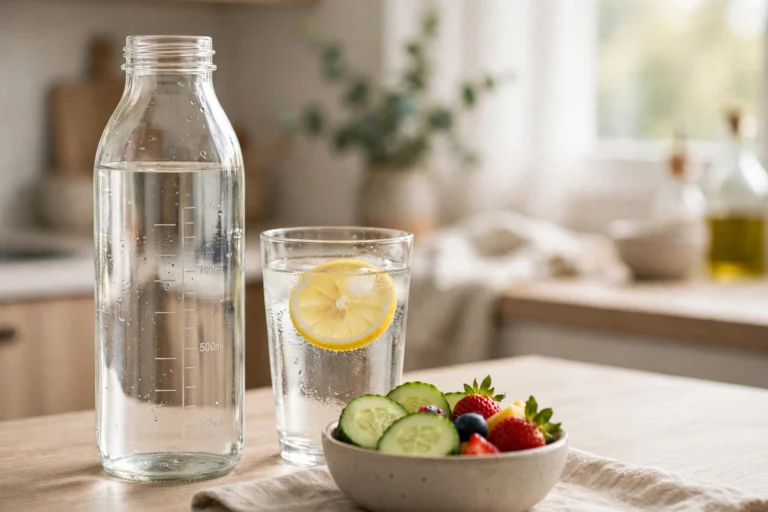
You cannot take a bottle of water through security, even an unopened one, if it is over 100 mL. An empty reusable bottle is fine — take it through empty and fill it at a water fountain or buy a drink after security. That is the simplest way to stay hydrated without paying airport prices for every bottle, and it also works for the water-intake habit of carrying a known-size bottle.
Drinks bought after security are fine to carry onto the plane, in any size, because they were bought inside the secure area. The same applies to a coffee bought at the gate. Just remember the rule applies again on a connecting flight if you have to pass through security a second time — a bottle bought after the first security check may be confiscated at the second one if it is over 100 mL.
The Exceptions: Medicine, Baby Food, and Special Diets
There are genuine exceptions, and they matter most for people who need them.
Medicine: Liquid medicine you need during the flight is allowed in quantities over 100 mL, including prescription medicine and essential non-prescription items such as liquid pain relief or eye drops. Bring the prescription or a doctor’s note if you can, and be ready to show it. Keep medicine in your hand luggage, not in checked luggage, and tell the security officer before your bag goes through.
Baby food and milk: Baby food, baby milk, and sterilized water for a baby are allowed in reasonable quantities over 100 mL, for the journey. You may be asked to taste it, or it may be tested separately. Pack it where you can reach it easily, and expect an extra minute at security.
Special dietary liquids: Liquid dietary products needed for medical reasons — for example, prescribed nutritional drinks — are usually allowed in the same way as medicine. Bring documentation.
Duty-free liquids: Liquids bought at duty-free are allowed if they are sealed in the tamper-evident bag given at the shop, with the receipt inside and visible. Do not open the bag until you reach your final destination. If you have a connecting flight, keep the bag sealed and the receipt — opened duty-free bags are routinely confiscated at the next security check.
None of these exceptions means “bring as much as you like.” The amount must be reasonable for the journey, and officers have discretion. Pack what you need for the flight plus a margin, not your whole supply.
Checked Luggage: The Rule Does Not Apply
None of this applies to checked luggage. In a checked bag, you can pack full-size bottles of shampoo, a 500 mL bottle of sunscreen, and a large bottle of perfume. The only limits are the airline’s weight limit and the rules on flammable aerosols — most airlines cap aerosols at 2 kg or 2 liters per person in total, including deodorant and hairspray, and each container must be 500 mL or less.
So the practical decision is simple: if you are checking a bag, put your full-size liquids in it and carry only what you need on the plane in the 1-liter bag. If you are traveling with hand luggage only, decant into 100 mL bottles or switch to solids for the trip.
Common Mistakes to Avoid
Bringing a half-empty large bottle. The container size is what counts, not the contents. Decant into a 100 mL bottle or leave it at home.
Forgetting the bag. Loose 100 mL bottles in your hand luggage will be pulled out at security and may be confiscated. They must be in the single 1-liter bag.
Packing two bags. One bag per passenger is the limit. A second bag, even a small one, will be treated as excess and one of them will be taken.
Hiding an aerosol. Spray deodorant and hairspray are aerosols and belong in the bag. They are the most common item found during a manual search.
Buying a big duty-free bottle on a connecting flight. If you have to clear security again, an opened duty-free bag is not protected. Keep it sealed and keep the receipt visible.
Frequently Asked Questions
Can I take a 100 mL bottle that is completely full through airport security?
Yes. A container of exactly 100 mL is allowed, as long as it fits in your single 1-liter transparent resealable bag with your other liquids.
Does toothpaste count as a liquid at the airport?
Yes. Toothpaste, mouthwash, and contact lens solution all count as liquids or gels. Toothpaste tubes are usually 75 mL, so they fit — but they must go in the bag.
Are solid toiletries exempt from the liquid rule?
Yes. Solid soap, solid shampoo bars, solid deodorant sticks, and powder makeup do not count as liquids and do not need to go in the bag. They are the easiest way to free up space.
Conclusion
The airport liquid rule is strict but simple: each container 100 mL or less, all of them in one transparent resealable bag of 1 liter, one bag per person. The container’s size is what counts, not how full it is, so decant your favorites before you travel and use solid toiletries to save space. Medicine, baby food, and sealed duty-free are the real exceptions — everything else either fits in the bag or goes in checked luggage.
Pack the bag at home, keep it at the top of your hand luggage, and take an empty bottle to fill after security. You will walk through the checkpoint in minutes while the queue behind you repacks.